

In the modern business world, presentations are no longer just slides with bullet points. Audiences expect engaging, visually appealing content that communicates ideas clearly and memorably. This is where animated videos come in. Animated content can transform ordinary presentations into high-impact experiences, capturing attention, improving comprehension, and driving action.
In this post, we’ll explore why animated videos are essential for presentations, how they enhance engagement, and strategies for creating content that leaves a lasting impression.
1. Why Animation Works for Presentations
Animation is a powerful communication tool for several reasons:
- Simplifies complex ideas: Visual metaphors and animated diagrams make difficult concepts easy to understand.
- Increases retention: Motion and visuals help audiences remember key information.
- Engages emotions: Storytelling and animated characters evoke emotional responses that static slides cannot.
Animated videos turn passive viewers into active learners, making presentations more effective and memorable.
2. Types of Animated Videos for Presentations
There are several animation styles that can elevate presentations:
- 2D Explainers: Simple, clean graphics ideal for breaking down processes or features.
- 3D Animations: Realistic visualizations perfect for product demos or technical presentations.
- Whiteboard Animation: Step-by-step illustrations that mimic drawing in real-time.
- Motion Graphics: Dynamic visuals for charts, data, and abstract concepts.
Choosing the right style depends on your message, audience, and goals.
3. Boosting Engagement Through Storytelling
Every high-impact presentation tells a story:
- Introduce the problem or challenge your audience relates to.
- Show the solution, often highlighting your product, service, or idea.
- Include a clear call-to-action, encouraging viewers to act.
Animated storytelling keeps audiences invested and focused, while visual cues reinforce key points.
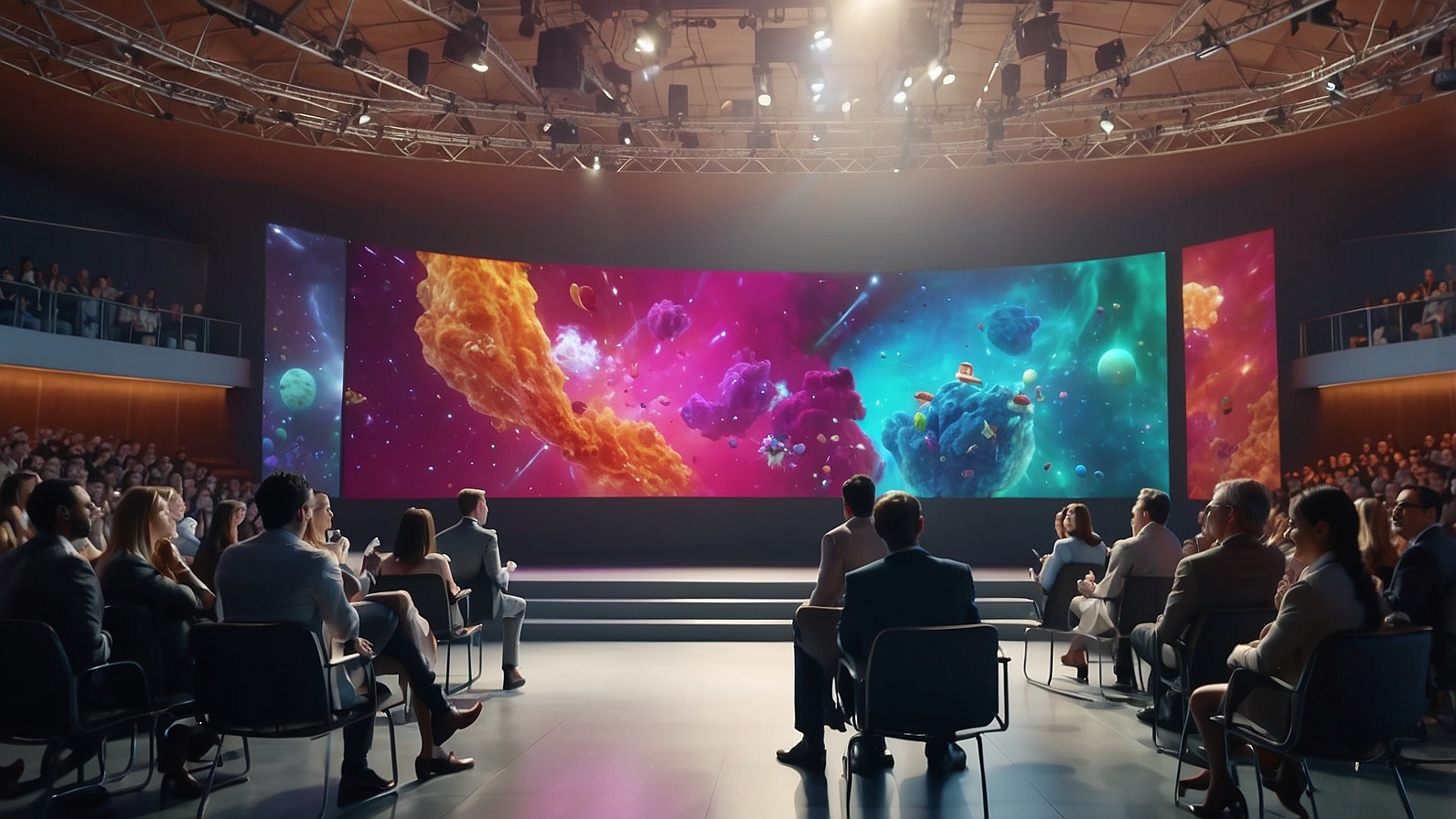
4. Visualizing Data and Concepts
Data-heavy presentations often struggle to hold attention. Animation solves this problem:
- Transform static charts and graphs into dynamic, animated visuals.
- Use motion to highlight trends and insights clearly.
- Explain abstract concepts through visual metaphors or 3D simulations.
Animated visuals ensure that your message is understood and retained by your audience.