

As video consumption continues to rise across digital platforms, brands and agencies are increasingly turning to high-resolution formats like 4K and beyond to create premium, immersive content. Shooting in 4K isn’t just about higher resolution—it’s about delivering cinematic quality, professional polish, and an elevated viewer experience.
This post explores the key best practices for shooting in 4K and higher resolutions, ensuring your video production stands out in a crowded marketplace.
1. Understanding the Advantages of 4K and Higher
High-resolution video offers several tangible benefits:
- Sharper, more detailed visuals: Viewers notice finer textures, colors, and intricate details.
- Post-production flexibility: Cropping, zooming, and stabilization can be done without loss of quality.
- Future-proof content: Higher resolution ensures content remains relevant as display technology advances.
- Enhanced storytelling: Crisp visuals allow for better composition, visual depth, and audience engagement.
Shooting in 4K allows brands to deliver premium experiences that align with high-value products and services.
2. Choosing the Right Equipment
Shooting in 4K requires careful selection of cameras, lenses, and accessories:
- Cameras: Invest in cameras capable of true 4K or higher recording. Consider frame rates and sensor size.
- Lenses: Prime lenses often provide sharper, more cinematic images. Wide apertures allow creative depth-of-field effects.
- Stabilization: Use gimbals, tripods, or sliders to maintain smooth camera movement, critical in high-resolution video.
- Accessories: ND filters, external monitors, and professional microphones enhance quality.
Quality equipment ensures your video meets cinematic standards and avoids technical compromises.
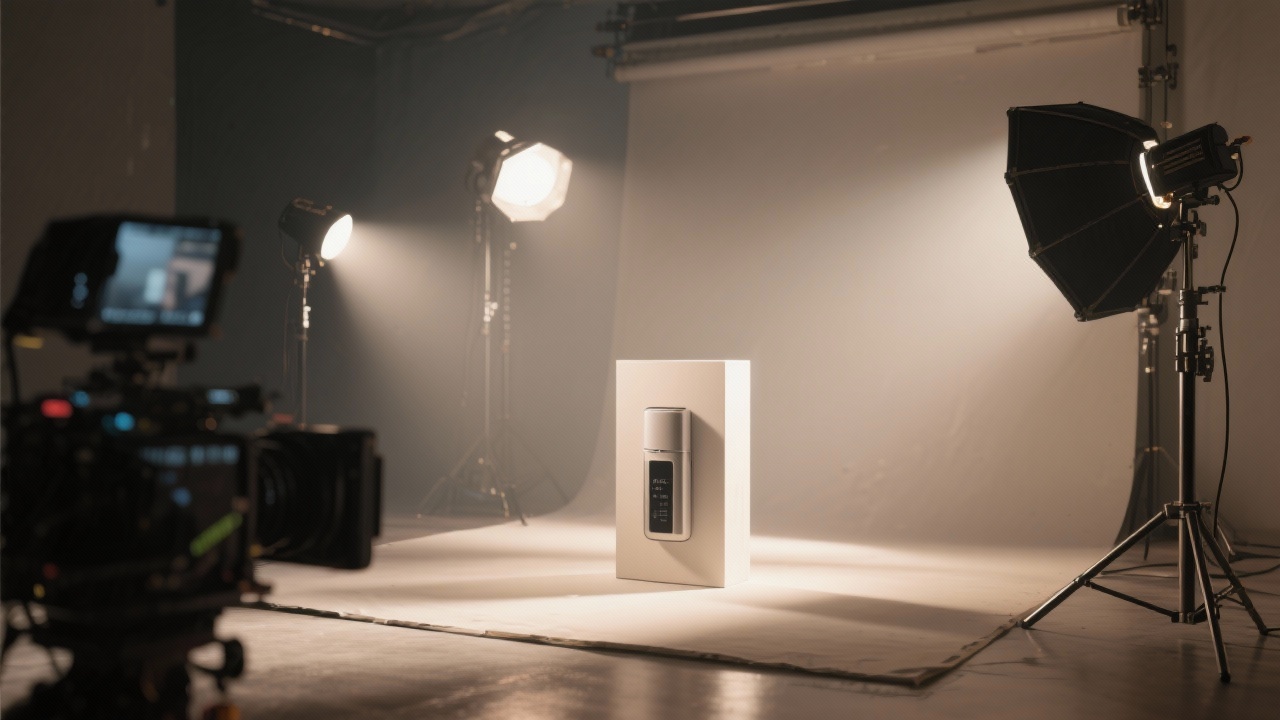
3. Optimizing Lighting for High Resolution
Lighting is critical when shooting in 4K:
- Soft, diffused lighting minimizes harsh shadows that are more noticeable in high resolution.
- Key, fill, and backlighting create depth and dimension, enhancing cinematic quality.
- Color temperature control ensures consistent visuals across shots.
Proper lighting makes your footage pop in 4K, creating a polished, professional look.
4. Framing and Composition Considerations
High-resolution video reveals every detail, so careful framing and composition are essential:
- Rule of thirds and leading lines guide the viewer’s eye.
- Headroom and negative space prevent cluttered shots.
- Dynamic camera movement adds interest without distracting from the subject.
Good composition ensures that your visuals remain engaging and visually balanced even on large screens.