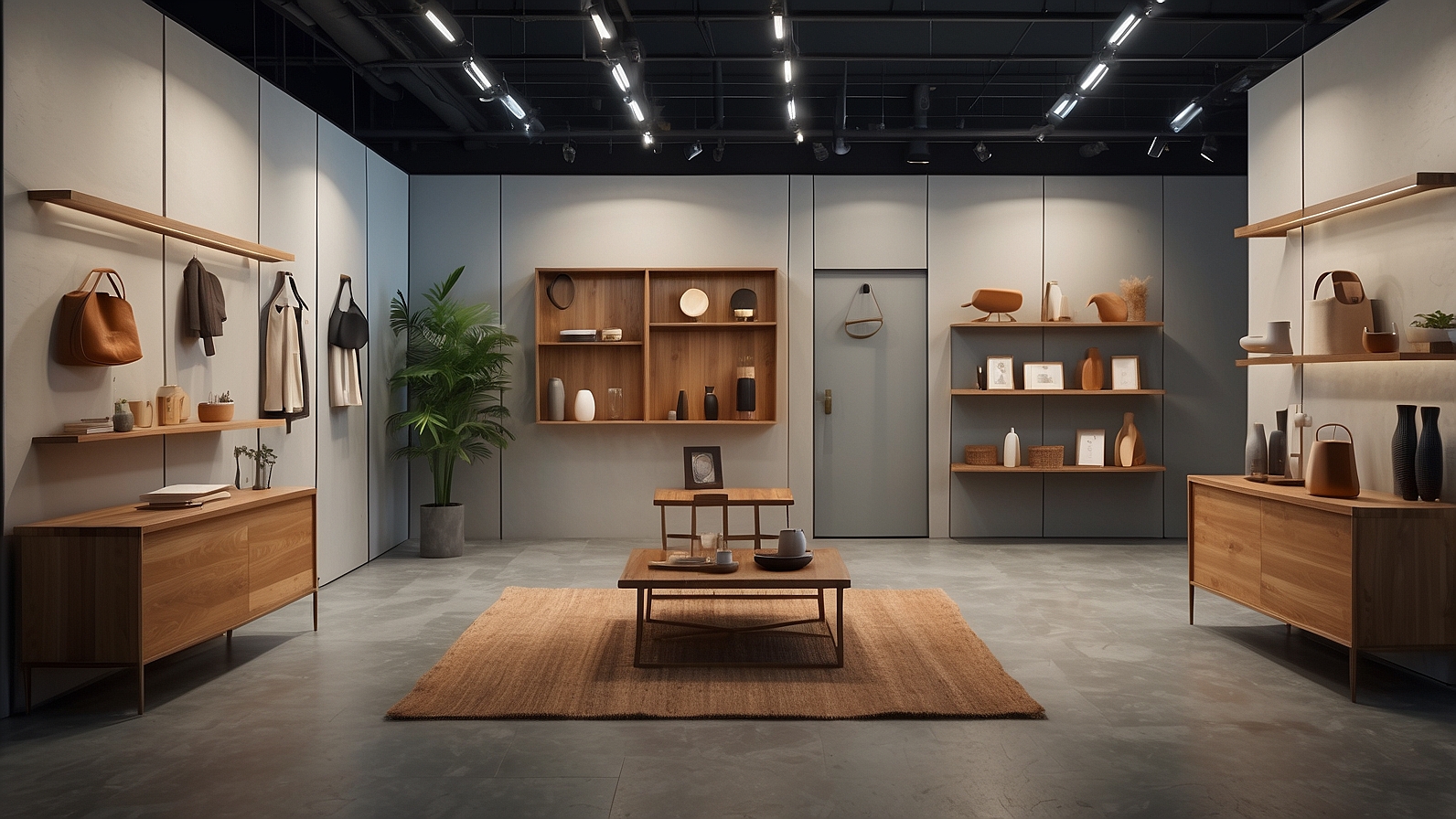

In today’s competitive marketplace, brands need more than traditional product videos — they need immersive, visually stunning experiences that captivate audiences and clearly communicate value. Unreal Engine, originally designed for high-end video games, has emerged as a powerful tool for creating cinematic product videos that combine photorealistic visuals, interactive environments, and real-time rendering.
This post explores how brands and agencies can leverage Unreal Engine to create product videos that stand out, engage customers, and drive conversions.
1. What Makes Unreal Engine Ideal for Product Videos
Unreal Engine offers several advantages for producing high-quality product videos:
- Real-time rendering: Visualize products in stunning detail instantly, without long rendering times.
- Photorealistic graphics: Create lifelike textures, reflections, and lighting for any product.
- Interactive capabilities: Allow viewers to explore products from different angles or see variations in real-time.
- Flexible environments: Build realistic or imaginative settings tailored to brand aesthetics.
These capabilities make Unreal Engine ideal for brands seeking immersive storytelling and visual impact.
2. From Concept to Virtual Production
Creating a product video with Unreal Engine involves several steps:
- Previsualization: Sketch concepts, storyboards, and camera angles.
- 3D Asset Creation: Model products, backgrounds, and props with photorealistic detail.
- Scene Setup: Apply lighting, textures, and animations to create the environment.
- Virtual Cameras & Cinematics: Use cinematic cameras, depth of field, and dynamic shots for storytelling.
- Real-Time Rendering: Preview and iterate instantly, reducing production timelines.
This workflow allows brands to produce complex, cinematic videos efficiently while maintaining creative control.
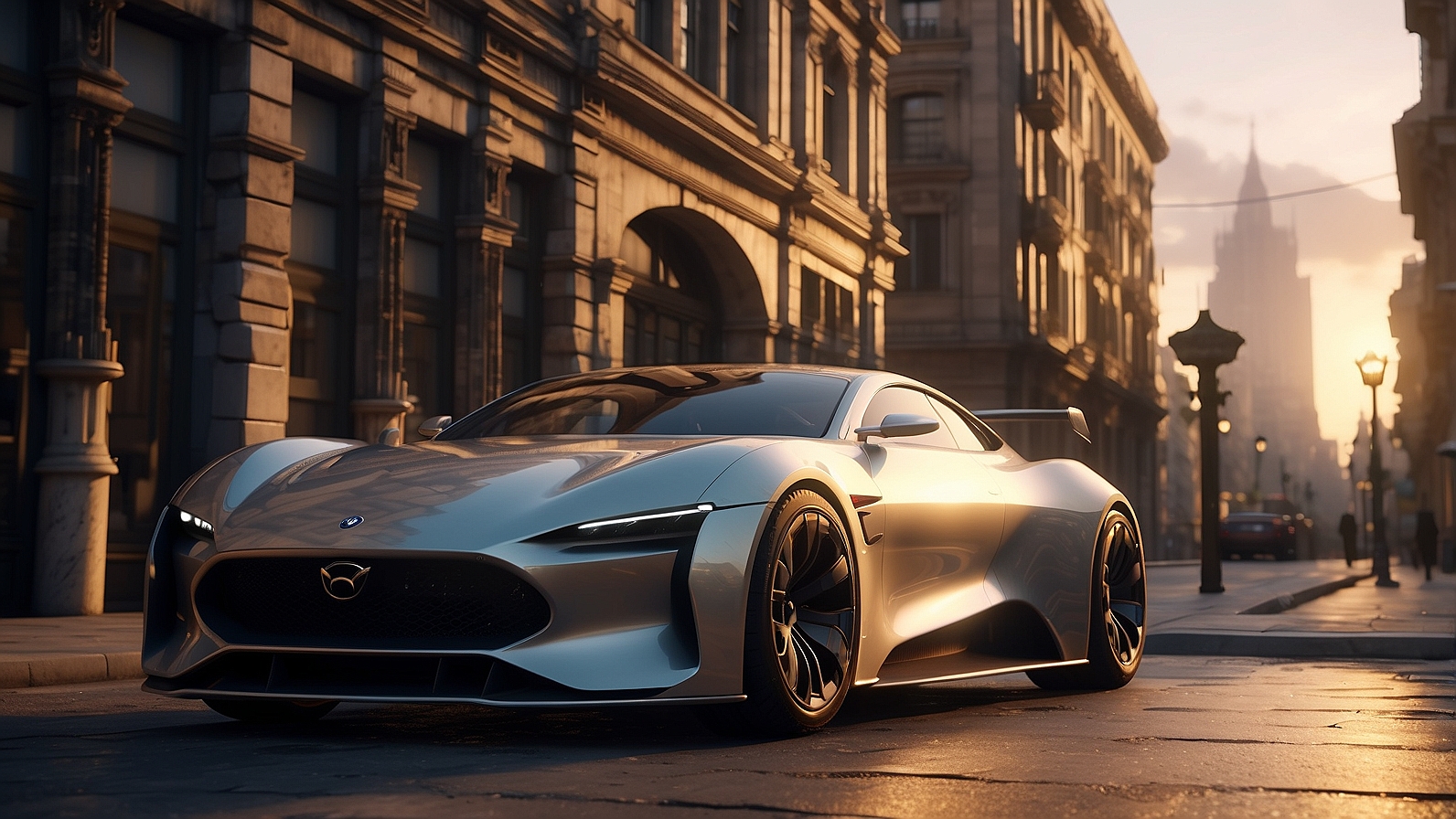
3. Showcasing Products in Context
One of the biggest advantages of Unreal Engine is the ability to place products in any context:
- Display a car in a bustling city, desert road, or futuristic environment.
- Showcase furniture in photorealistic interiors with dynamic lighting.
- Highlight technology products with interactive screens, animations, or AR-style features.
This level of visual immersion helps audiences understand products better and increases engagement.