

Creating cinematic videos isn’t just about having the right camera — it’s about how you edit. Post-production transforms raw footage into an emotional story. Here are ten techniques professional editors use to achieve that “film look.”
- Color Grading for Mood
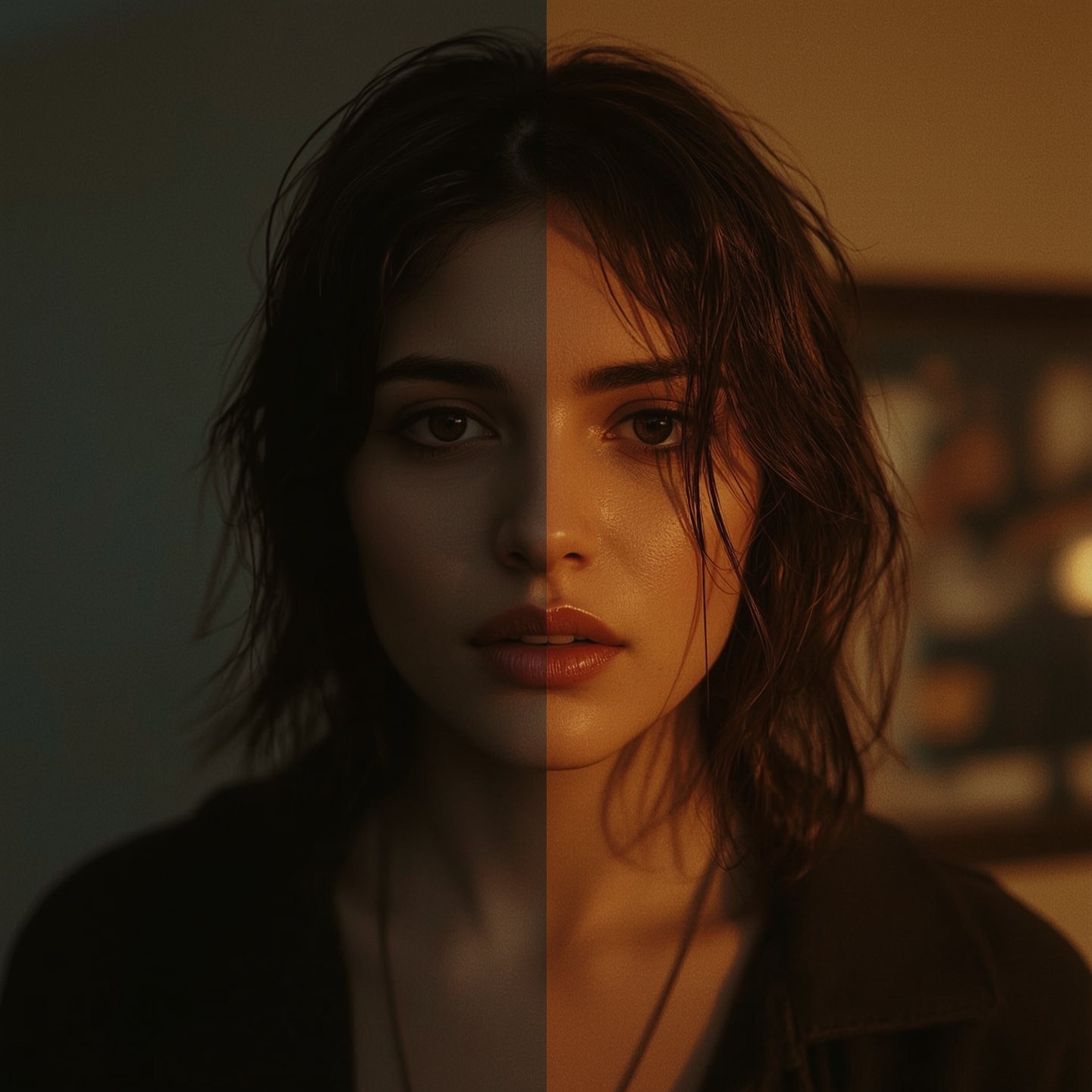
Color defines emotion. Warm tones create intimacy; cool tones evoke mystery. Use LUTs or manual grading to achieve a consistent palette that supports your story. - Match Cuts and Seamless Transitions
Instead of hard cuts, use match cuts or motion transitions to maintain flow. These keep the viewer immersed and make your edit feel intentional. - Sound Design and Ambient Layers
Cinematic sound isn’t only dialogue and music. Add subtle background textures — wind, footsteps, city noise — to build atmosphere and realism. - Dynamic Camera Movement in Post
Use keyframes and zooms to mimic camera motion. When done subtly, it gives static shots energy and depth. - Rhythm and Pacing
Every story has a tempo. Quick cuts suit action; longer takes suit drama. Edit to the rhythm of the soundtrack or emotional beats.


 Conclusion