

Animation is one of the most powerful storytelling tools in marketing. It captures attention, explains ideas, and builds emotional connection faster than live-action often can. But when creating an animated video, one of the first questions every brand faces is: Should we go with 2D or 3D animation?
Let’s explore the strengths, ideal uses, and strategic differences between the two.
2D Animation — Simple, Stylish, and Story-Driven
What it is:
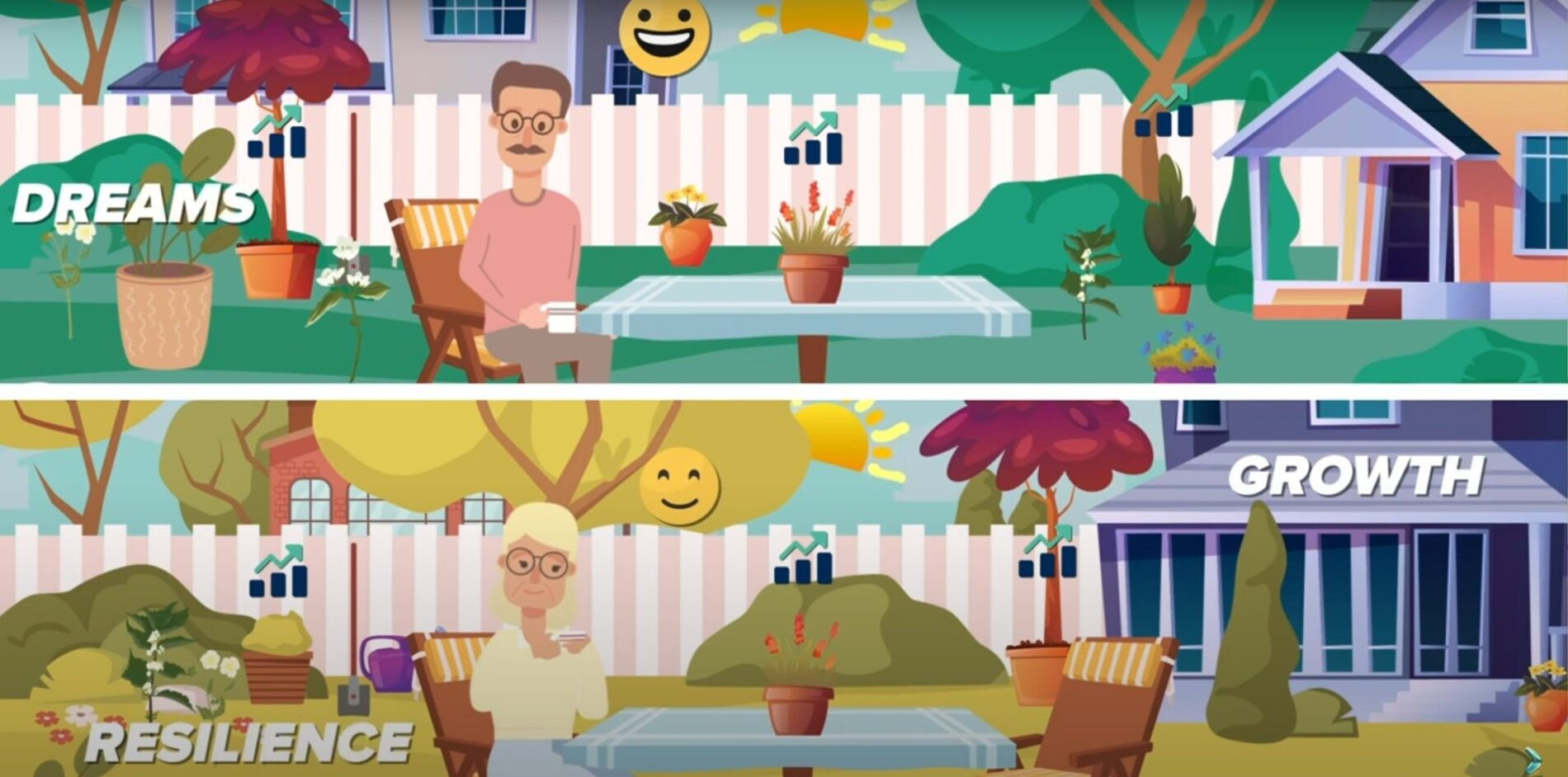
2D animation uses flat, two-dimensional graphics. It’s the classic style found in explainer videos, educational content, and many TV commercials.
Why brands choose it:
- Clarity: 2D animation is perfect for simplifying complex ideas. That’s why it’s often used in eLearning or product demo videos.
- Speed and cost efficiency: It’s typically faster and more affordable to produce than 3D animation.
- Emotional appeal: The flat style allows for expressive characters and clear visual storytelling — ideal for brand storytelling or social campaigns.
Best for:
Explainer videos, educational videos, social media ads, and animated infographics.
3D Animation — Realistic, Immersive, and Impactful
What it is:
3D animation adds depth and realism using computer-generated models, textures, and lighting. It’s the standard for high-end commercials, product videos, and visual effects in films.
Why brands choose it:
- Visual realism: 3D animation brings products and environments to life — perfect for showing engineering details, medical visuals, or luxury products.
- Flexibility: Once 3D assets are created, they can be reused or modified for new scenes and campaigns.
- Brand prestige: 3D animation instantly gives a project a more cinematic and premium look, elevating brand perception.
Best for:
TV commercials, product showcases, architectural and medical visualizations, or cinematic brand videos.

Combining 2D and 3D — The Hybrid Approach
Many modern studios blend both styles to create a unique, visually dynamic result. For example, 2D characters interacting with 3D environments can deliver both charm and realism — maximizing engagement.

 Conclusion