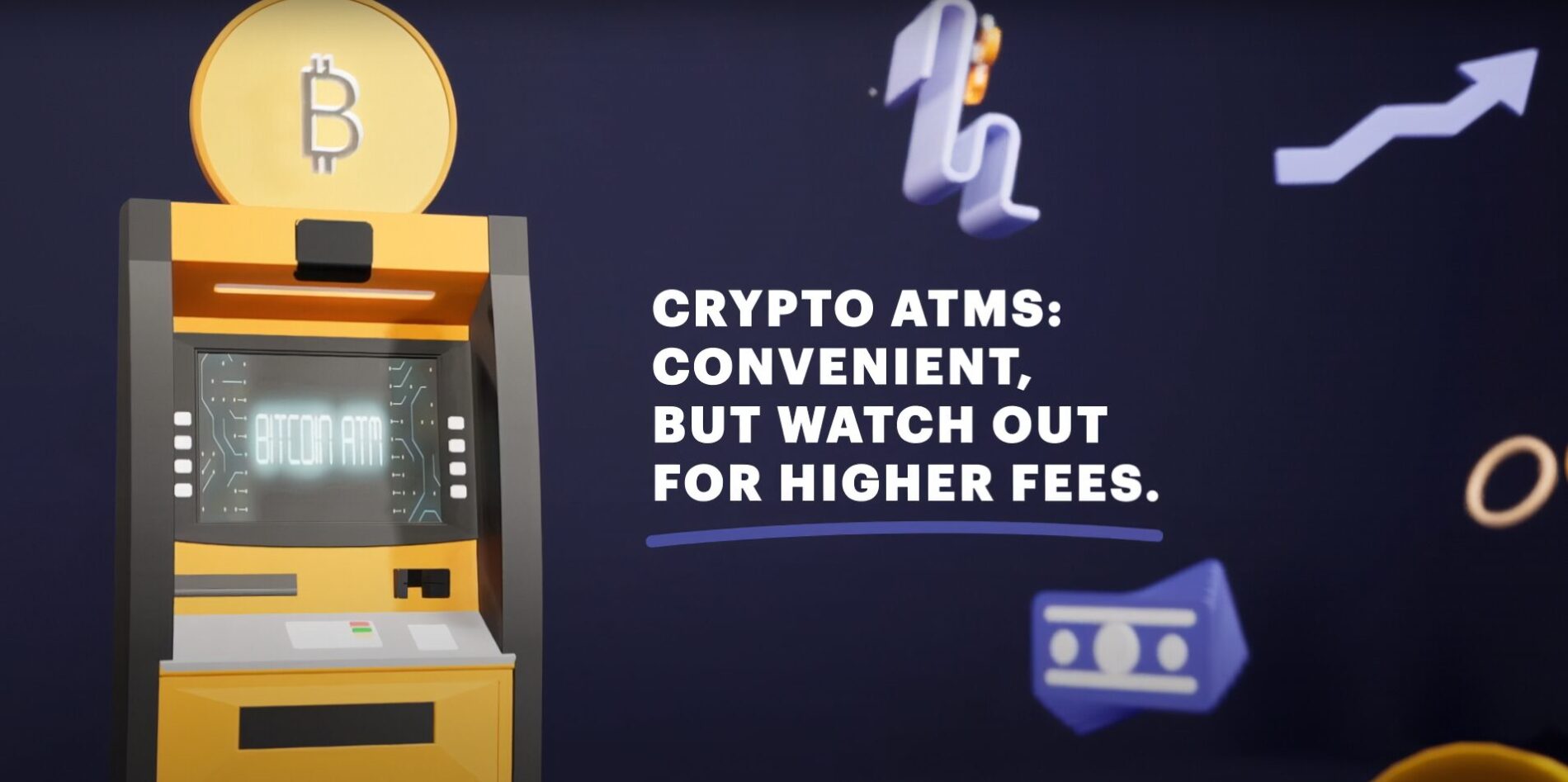

Imagine a student struggling to grasp a complex concept, like the human circulatory system. A textbook diagram shows arteries and veins, but the information feels abstract and hard to remember. Now, picture the same concept presented as an animated eLearning video: a flowing red and blue stream showing blood circulating through a beating heart, accompanied by narration and subtle highlights on each process. Suddenly, understanding clicks—and the knowledge sticks.
Why Animated eLearning Works
Animated eLearning videos enhance retention by engaging multiple senses. Motion, color, and sound work together to stimulate visual and auditory memory simultaneously, making abstract or complex ideas tangible. Storytelling within animation strengthens the emotional connection, which is proven to improve recall.
Unlike traditional lecture or text-based learning, animation allows learners to repeat, pause, and explore content at their own pace. Complex procedures, technical processes, or product demonstrations can be replayed in slow motion, giving learners time to absorb every detail. Interactivity—like quizzes, clickable elements, or gamified modules—further boosts engagement, turning passive watching into active learning.
Applications Across Industries
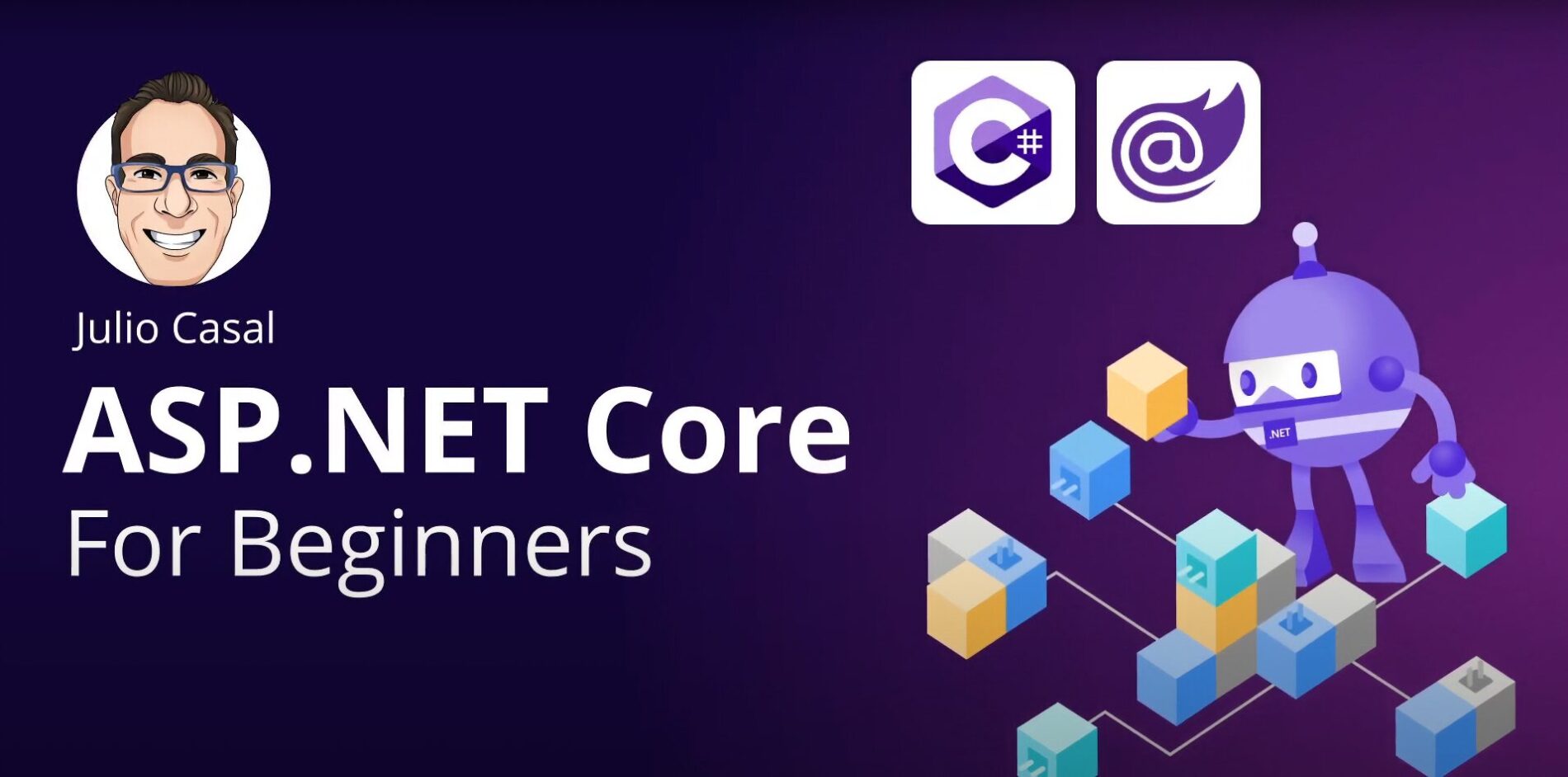
Animated eLearning videos are not limited to schools. Corporations, medical institutions, engineering companies, and tech brands use animated videos to train employees, explain products, or onboard clients. By simplifying complicated information, animation reduces cognitive overload while increasing knowledge retention.
2D and 3D animation play unique roles here. 2D animation is ideal for clear, stylized explanations, infographics, and step-by-step demonstrations. 3D animation adds depth, realism, and interactivity—perfect for medical visuals, engineering simulations, or product demonstrations that require technical precision. Incorporating visual effects and AI video production tools can further elevate eLearning content, ensuring it’s both engaging and professional.